Resources
Explore resources from a range of sources across the aged care sector - including government, research, academic and practice-based materials - curated by ARIIA to support evidence-informed practice and innovation.
Showing

Dementia care: Advance care planning
The person-centred process of advance care planning allows a person living with dementia to express their preferences and goals for future healthcare to their families and care providers. This resource from ARIIA is a short easy-to-read summary of the research evidence.
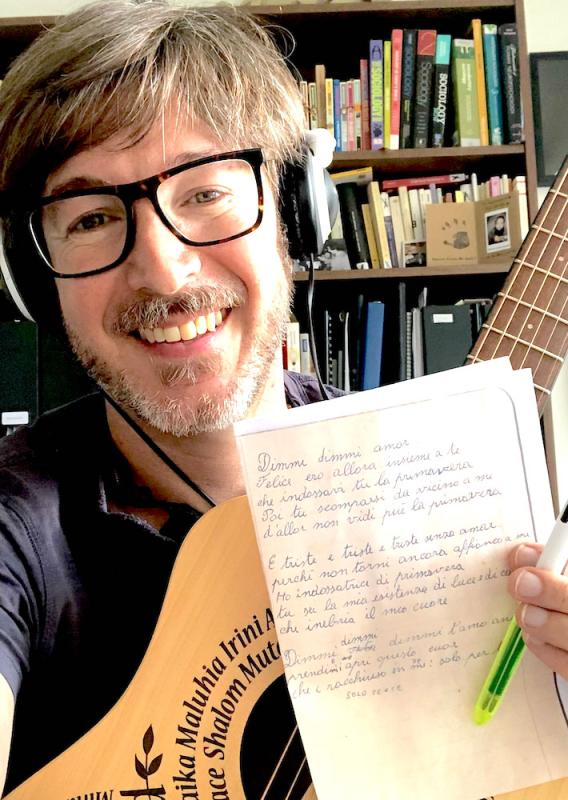
Co-musichiamo: Exploring music, storytelling & first language with migrants living with dementia
Anthropologist and passionate musician, Dr Simone Marino, described the Co-musichiamo project in aged care, which explores the co-creation of songs and the relevance of music, migration life-storytelling, and first language to support the cultural identity and wellbeing of people from culturally and linguistically diverse backgrounds living with dementia.
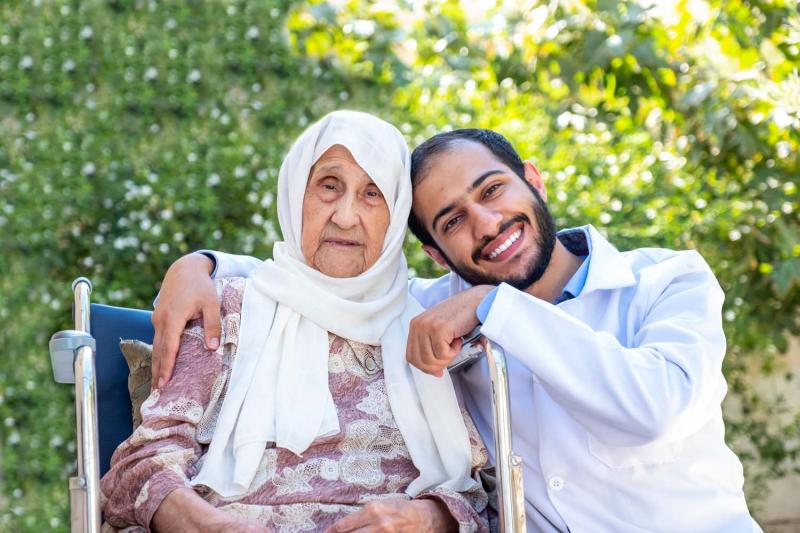
Moving Pictures GENIE resources
GENIE is an online repository of national and international evidence-based dementia resources in 68-plus languages. Developed by the National Ageing Research Institute (NARI) and codesigned with providers and culturally and linguistically diverse (CALD) carers and service providers.
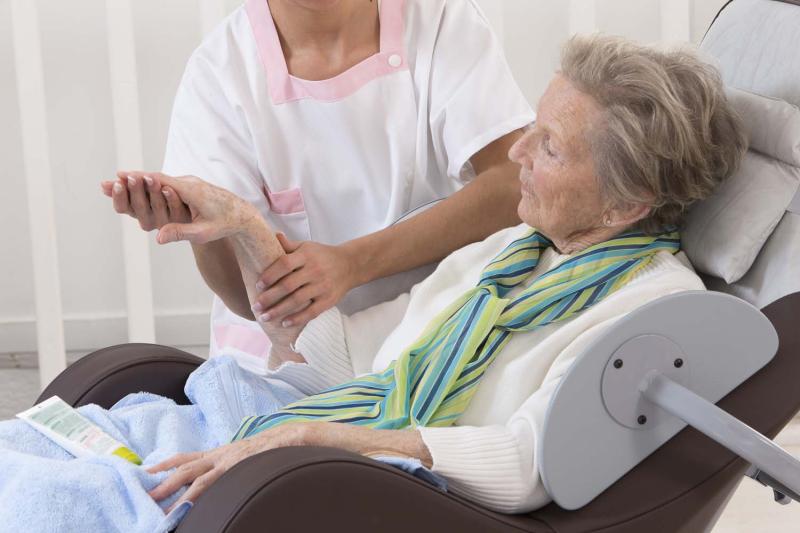
The Namaste Care program: "To honour the spirit within"
The PowerPoint slides accompanying the Namaste Care Train the Trainer session guides. Written by Dr Sara Karacsony (2021) from School of Nursing, College of Health and Medicine, University of Tasmania .
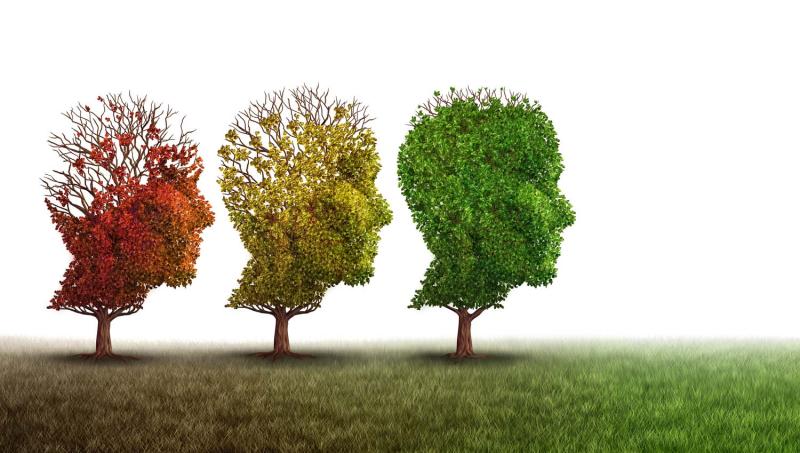
Trajectory of dementia: End of life care
An educative PowerPoint presentation on the likely trajectory of dementia and the purpose and benefits of a palliative approach in the latter stages. Includes a case study and reflective questions. Written by Dr Melissa Abela of the Wicking Dementia Research and Education Centre, University of Tasmania (2021).
Managing behavioural and psychological symptoms of dementia
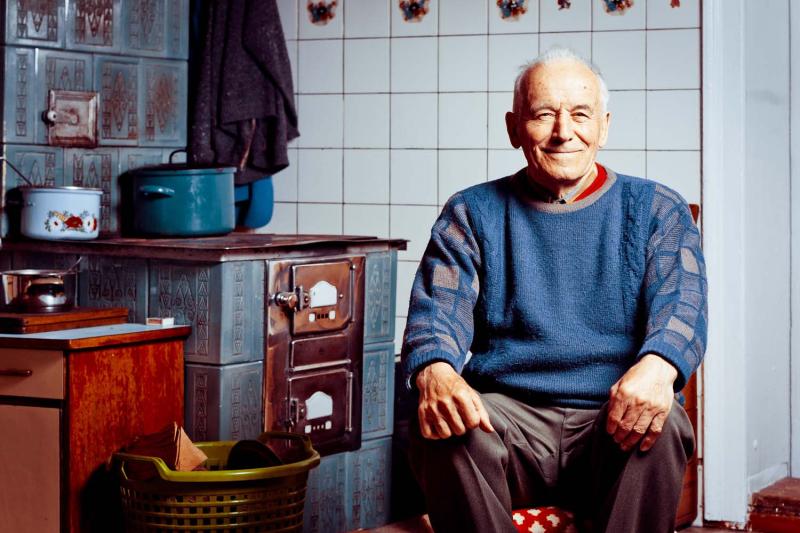
This webpage from the Victorian Government Department of Health provides information about behavioural and psychological symptoms of dementia, including reassuring and reducing triggers, wandering, sundowning, anxiety or agitation, aggression, hallucinations or false ideas, disinhibited behaviour, and pharmacological treatment.
DREAMT: Using telehealth to support Indigenous people with dementia
These two videos about telehealth from the University of Queensland are an educational resource for health professionals and people with dementia and their families.

Cup of tea
Cup of tea is a short animated video from Anglicare Northern Territory that tells the story of an elderly Aboriginal and Torres Strait Islander carer Betty and her husband Brett, who requires daily aged care. Betty also cares for her grandchildren and finds she is not coping with all the daily caring responsibilities (available in English, Yolngu Matha and Anindilyakwa).

Abridged guidelines for diagnosis and care of Aboriginal People with dementia in remote communities
These guidelines from the Dementia Collaborative Research Centre have been provided to ensure that people with dementia who live in remote communities are correctly diagnosed and receive the services that they, and their families, require.
Best-practice guide to cognitive impairment and dementia care for Aboriginal and Torres Strait Islander people attending primary care
This is a guide from the University of Melbourne to support best practice in primary health care settings for Aboriginal and Torres Strait Islander Peoples in relation to cognitive impairment and dementia.